


Can a Weight Belt Help Reduce Low Back Injury During Lifting?
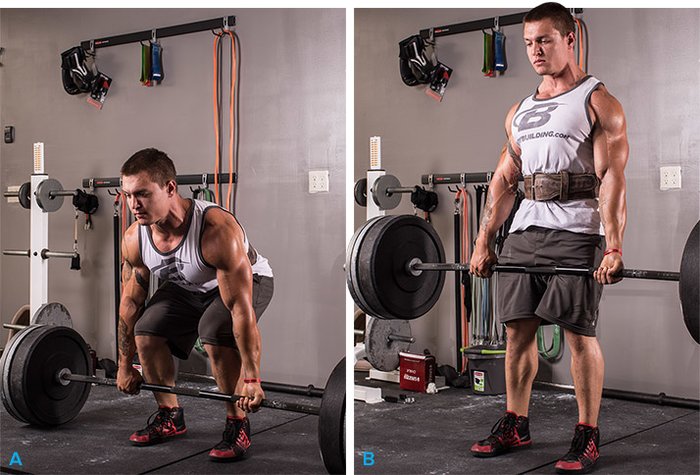
In this post we present an educational discussion for weightlifters or those who carry loads for occupational or recreational reason. We will be presenting some of the research on the use of lumbar supports/belts for weight lifting and occupational use.
Should I Wear a Weight Belt When Lifting?
Many times we are asked the question by weightlifters, “will wearing a back brace/belt/support reduce my risk of low back injury?” From manual laborers to those who use this tool during weight lifting and exercise, the prevalence of use is very high, and understandably so. The incidence and disability of low back pain is extremely high in the US. It has a major impact on the US economy and well-being of its population. An article published in 2009 in the Journal of the American Osteopathic Association estimated that the total cost in the United States related to low back pain was over $100 billion dollars annually! People are attempting to protect their body from injury or improve symptoms that they may already have by using these devices, but the real question is…. Do they actually work?
What Does The Research Say About Weight Belts?
There has been a lot of research on whether or not weight belts can help improve form, performance and the risk or incidence of low back injury. What the research and literature has shown is that the use of weight belts is overly inconclusive and that these supports have no influence on risk of injury to the lumbar spine. Cholewicki et al. (1999) stated in their article published in the European Spine Journal, that “the overwhelming evidence suggests that belts have no effect on muscle strength fatigue, or low back injury incidence”. Another systematic review of lumbar supports and prevention of low back pain published in 2001 in Spine, presented the results that “there was moderate evidence that lumbar supports are not effective for primary prevention.” Despite these conclusions, many companies still market these items as injury reducing tools, and even as performance enhancement devices for weight lifting. So if the evidence doesn’t support these devices, why is the prevalence so high and what are the theories for use?
Theories For Using Weight Belts
Despite the fact that the literature is inconclusive on whether or not weight belts can help prevent low back injuries when lifting, here are several theories supporting that idea.
Increase intra-abdominal pressure:
One of the main reasons for use is that lumbar belts can increase intra-abdominal pressure (pressure within your abdomen) which is thought to assist in stabilizing the spine during weight bearing movements. There are many studies that can confirm the fact that these belts do increase intra-abdominal pressure, but is that really helping performance or reducing your risk of injury? Even though the biomechanical theory is sound, there really is not sufficient evidence to suggest that weight belts are going to help you in the workplace or in the weight room.
Limit spinal motion:
Other theory suggests that these belts will limit some spinal segmental motion during lifting activities. It is thought this will help stiffen the spine and allow for more proper lifting mechanics. This idea is also unsubstantiated in the evidence. The ability to limit spinal motion during a lift comes more from true core strength/stability and highly coordinated and refined movement patterns as a result of proper training.
Reminds the individual to lift with proper mechanics
This theory refers to the aspect of proprioception, or one’s ability to sense where their joints are positioned in space. Sometimes an external device (such as a weight belt) can provide a person with some additional proprioceptive information to know how their body is positioned and moving.
Why Wear a Weight Belt?
Sometimes people like to wear a belt because they believe it helps them keep better form. My personal opinion is that you should be able to control your body and movement patterns on your own without relying on an external device. A highly trained individual should be able to have the proprioceptive sense without an external device. However, the research does not show any significant detriment to the use of a lumbar belt, so if you really prefer using it, then keep using it. We as clinicians prefer to not change habits that are not leading to dysfunction or injury.
By presenting this information, we are not advising people to ditch the weight belts and start condemning those who wear them, we are simply presenting the research and evidence as it currently sits. So why are we telling you this and what is the importance? Proper form and technique, more so than the proposed protection of a lumbar support belt, is going to keep you healthy and injury free. Do not put on a weight belt then resort to poor form and believe that the belt will protect you; proper biomechanics are an integral part to safe lifting. That is why we preach form and practice to prevent injury and maintain performance whether it is in the workplace or in weight room. The bottom line is that your ability to sense body position, maintain that position, and strengthen your joints to withstand force in those positions are the main factors that are going to keep you healthy and injury free. Remember to squat, deadlift and exercise with proper form, to keep your body in good shape! Don’t look for a quick fix to a long term problem!
If you have any questions or would like to schedule an appointment to work with us and schedule a formal movement assessment, please feel free to contact us. We look forward to helping you feel better, move better, and live better!
PhysioStrength Physical Therapy
Address: 2909 S 12th St Tacoma, WA 98405
Call us at: 253-336-2040