


Meniscus Surgeries: To Do, Or Not To Do?
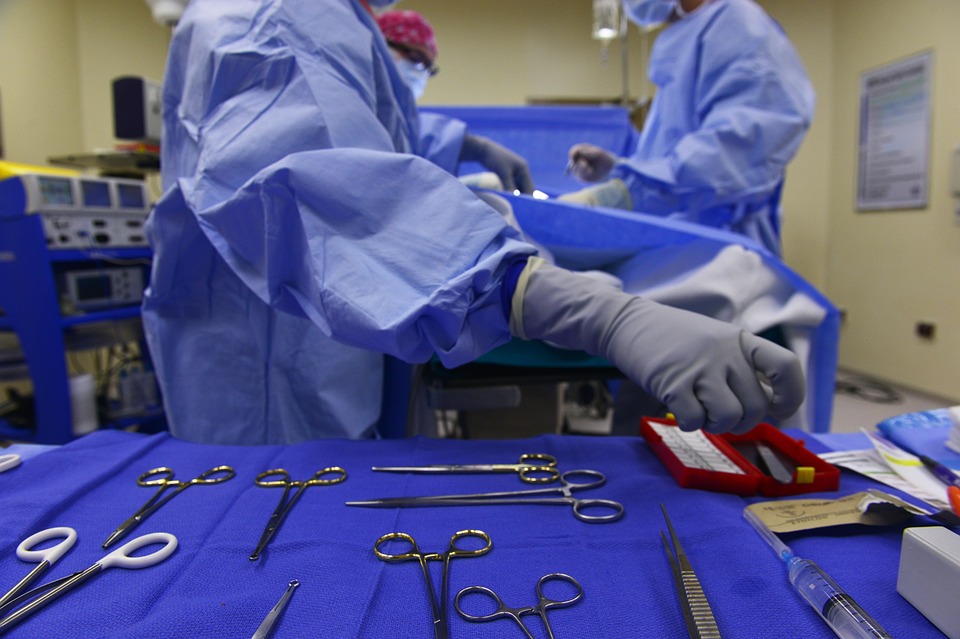
The arthroscopic partial meniscectomy is the most common outpatient surgical procedure performed in the U.S and there are about 700,000 performed each year. The short-term success rates of these meniscus surgeries are excellent and most studies report somewhere around 90% of patients experiencing symptom relief several months after surgery. However, more recent research suggests that these surgeries are often not necessary and may even be doing more long-term harm to the patient.
Let’s preface this post with a bold statement: “In the presence of most isolated meniscus tears shown on MRI, I strongly believe that surgical intervention is NOT necessary.” Here’s why:
The Fidelity Study
A recent study on meniscus surgeries (The Fidelity Study) concluded that arthroscopic partial meniscectomy is no better than sham surgery!
Let’s highlight some of the key findings from the Fidelity study that was recently featured in a podcast on British Journal of Sports Medicine (BJSM).
- The study was a double-blind, randomized, sham-controlled trial including 146 participants.
- All subjects had confirmed medial meniscus tears confirmed through both clinical testing and MRI.
- All Subjects were randomly assigned to either partial meniscectomy or sham surgery while in the operating room (meaning they did not know which group they were in).
- The results at the one year follow up concluded that both groups had significant reduction in symptoms and reported improved overall function.
- There was no significant difference between the surgical intervention group and the sham surgery group.
Does this mean that patients with medial meniscus tears should avoid surgery?
The current consensus among orthopedic surgeons is that a partial meniscectomy should be performed on patients who are experiencing mechanical symptoms. However, there is no agreement among researchers about what exactly defines mechanical symptoms. Clinically, mechanical symptoms include popping, locking, catching, etc. The authors of the Fidelity trial wanted to look into how mechanical symptoms played into their results. Here’s what they found:
- At 2 months follow up, the percentage of subjects in the surgical intervention group who were experiencing mechanical symptoms had dropped from 46% to 24%. The subjects in the sham surgery group experiencing mechanical symptoms had dropped from 49% to 32%. No statistically significant difference between groups at the 2 month follow up.
- At 6 months follow up, the percentage of subjects experiencing mechanical symptoms had dropped to 23% in the surgical group, and 18% in the sham surgery group! The sham surgery group had actually surpassed the the surgical group!
- At 12 months follow up the respective numbers were 27% in the surgical group versus 20% in the placebo group. Again, the sham surgery group had less mechanical symptoms compared to the surgical group.
Overall, the results of this landmark study suggest that the arthroscopic partial meniscectomy procedure is no better than conservative management for degenerative meniscal tears, even in the presence of mechanical symptoms.
Professor Andy Carr, a world-renowned orthopedic surgeon and researcher, stated in a recent editorial that the arthroscopic partial meniscectomy is often “overused, ineffective, and potentially harmful.”
Still Thinking of Getting a Meniscectomy?
Let’s take a second to think about this surgical procedure. One purpose of the meniscus is the disperse forces during loading of the knee. Removing a portion of this very important structure leads to increase joint contact forces. Studies have shown that removing the meniscus can lead to a 235% increase of peak contact forces at the knee joint! When bone is exposed to stress, it’s response is to lay down more bone. This leads to osteophyte formation and early arthritis. Removing a portion of your meniscus is essentially setting you up for increased joint compression forces and putting you at risk for developing osteoarthritis earlier.
Perhaps you had an MRI that showed a meniscus tear. Well, according to the research, even 60% of people without knee pain have been shown to have meniscal damage on MRI. Essentially, it is not abnormal to have “degenerative” changes on your MRI result. If you are one of the people who are fixated on MRI results, I suggest you read this post on why you should not get an MRI for low back pain. The author (Michael Curtis) does a great job of explaining how MRI results are not always indicative of pain or pathology.
How Physical Therapy Can Help
Some meniscus tears are from acute trauma, but many are classified as “degenerative,” meaning that they gradually occur over time. The menisci (and other tissues in the body) DO NOT just degenerate over time. There is a reason that certain tissues become overloaded and stressed more than others. It all comes down to movement patterns. The body is an intricate machine and if there are dysfunctional movement patterns via the neuromuscular system, certain joints and tissues will be stressed more. Your physical therapist can assess your movement patterns, and correct them in order to help improve your overall mobility and function and reduce risk of future injury. For more on this, see an article I wrote previously on why you should have an annual physical therapy check up.
Instead of a meniscectomy, you should be strengthening up the muscles around your knee and hip. With a meniscus injury, it’s important to gradually progress weight-bearing exercises in an orderly fashion. This is why you should be working with a physical therapist who can help make sure you’re doing everything right to strengthen your knee without further injuring it during the process.
A 2016 study in the British Journal of Sports Medicine comparing physical therapy versus arthroscopic partial meniscectomy concluded no significant difference between groups at a two year follow up with regards to patient reported outcomes. Those patients who did not benefit from a regimented rehabilitation program at 6 months, then proceeded to get the arthroscopic meniscectomy. The results at the 2 year follow up showed that the patients who didn’t respond well to conservative interventions, also did not respond well to surgical intervention. This suggests that even those patients who are “non-responders” to conservative management should not pursue surgical intervention because they are likely not going to respond well to that. Much more research needs to be conducted to follow up that study but it’s an interesting conclusion nonetheless.
Conclusion
Meniscus surgery isn’t all it’s cut out to be. Conservative interventions such as physical therapy have been shown to be just as effective and save you time, money, risk of infection, and much more. Please don’t become fixated on your MRI results. YOU are NOT your MRI. If you don’t know where to get in touch with a physical therapist near you, here are a couple resources:
For more information regarding the aforementioned study and the Fidelity Study, I would encourage you to listed to this podcast from BJSM.
As always, please feel free to share this article with anyone you think could benefit from reading it. We appreciate your feedback!
Note: This post is not to serve as medical advice. You should always consult a healthcare professional regarding your specific condition.
References
Sihvonen, Raine et al. “Arthroscopic Partial Meniscectomy Versus Sham Surgery For A Degenerative Meniscal Tear”. New England Journal of Medicine 369.26 (2013): 2515-2524. Web. 24 May 2017.
Moseley, J. Bruce et al. “A Controlled Trial Of Arthroscopic Surgery For Osteoarthritis Of The Knee”. New England Journal of Medicine 347.2 (2002): 81-88. Web. 24 May 2017.
Englund, Martin et al. “Incidental Meniscal Findings On Knee MRI In Middle-Aged And Elderly Persons”. New England Journal of Medicine 359.11 (2008): 1108-1115. Web. 24 May 2017.
Kise, Nina Jullum et al. “Exercise Therapy Versus Arthroscopic Partial Meniscectomy For Degenerative Meniscal Tear In Middle Aged Patients: Randomised Controlled Trial With Two Year Follow-Up”. BMJ (2016): i3740. Web. 24 May 2017.
Mordecai, Simon C. “Treatment Of Meniscal Tears: An Evidence Based Approach”. World Journal of Orthopedics 5.3 (2014): 233. Web. 24 May 2017.