


What Does a Physical Therapist Do?
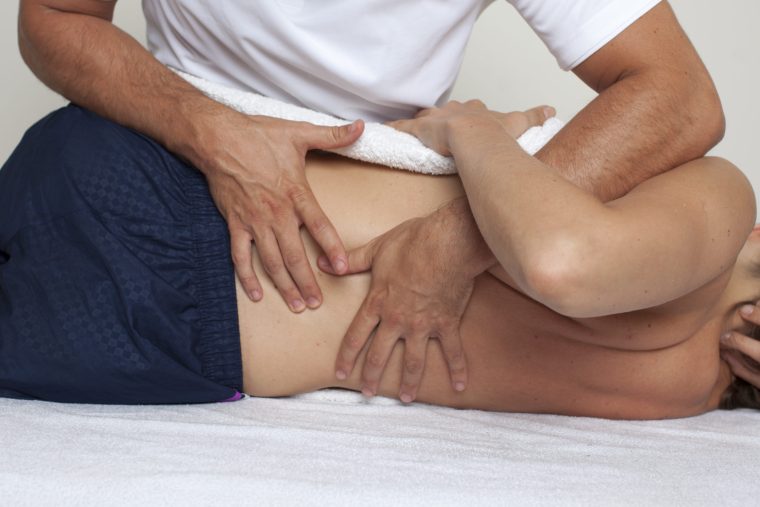
Most people have heard of physical therapy. However, not many people actually understand all the ways a physical therapist can help them. Keep in mind that there are many different fields that physical therapists work in; acute care, pediatrics, school districts, geriatrics, spinal cord injury units, trauma centers, sports, and outpatient orthopedics to name a few. In this post, we are referring to the outpatient orthopedic and sports physical therapists because that’s what we do at PhysioStrength. First off, let’s start by addressing some of the common misconceptions about physical therapy.
- Physical therapy is not just for people who are injured or had a recent surgery
- You do not have to be hurt to go see a physical therapist
- You do not need insurance to see a physical therapist
- You can come see a physical therapist as preventative care
- Your physical therapist actually holds a doctorate degree and is a qualified medical professional
What Can Your Physical Therapist Help You With?
A Doctor of Physical Therapy is a qualified biomechanical specialist and movement expert who is the primary care professional to help you with musculoskeletal and neuromuscular issues and conditions.
Many people are not fully aware of how a physical therapist can help them. There is a common misconception that physical therapists are only necessary during the rehabilitation from an injury. While this is an important role of a physical therapist, there are many other areas that your physical therapist can help you with. Let’s explore some ways your physical therapist can help YOU!
Your Doctor of Physical Therapy can help you with all of these things:
- Get rid of joint pain, muscle pain, and nerve pain
- Help you stop having to rely on pain medication and opiods
- Running analysis
- Movement screens and injury prevention screens
- Sport-specific training program development
- Fall and balance training
- Help you recover from surgery, sprains, strains, etc.
- Help you get rid of chronic pain and develop a better wellness routine and healthy lifestyle
- Improve form and technique with sports, weight-training, and other common recreational activities
- Reduce pain related to desk work, driving, posture, ergonomics
- Reduce muscle spasms and improve overall mobility
- Develop muscular strength and endurance necessary for sport or other activities
- Help you get back to hiking, biking, running, rock climbing, playing with your grandkids, and anything else you are currently limited from doing
What Techniques Does a Physical Therapist Use?
Here at PhysioStrength, we have a very eclectic approach to our care and utilize many treatment techniques. Here are some of the many techniques we use during our patient-care:
- Manual therapy including soft tissue massage, deep tissue massage, active release, trigger point work, joint mobilizations, instrument assisted soft tissue work, stretching, nerve glides, etc.
- Progressive resisted exercise, mobility work, dynamic balance training, corrective exercises, therapeutic exercises, movement flow routines, isolated strengthening, endurance-based exercises, strength-building exercises, power lifting, olympic lifting, etc. We incorporate our knowledge and background in strength and conditioning to develop a strong program for you to continue to progress even after your episode of care is complete.
- Personalized Blood Flow Restriction Training
How Can a Physical Therapist Help After Surgery?
If you have experienced an injury or had a recent surgery, your physical therapist can help you recover. Injuries can cause pain, stiffness, weakness, and limit your ability to perform daily activities. Your physical therapist can help you during your recovery process and get you back to full pain-free function. This includes regaining mobility, improving strength, and most importantly, getting rid of the pain associated with injury.
Surgeries are a very traumatic event to the body. They can cause pain, joint and soft tissue restrictions, muscular inhibition, and decreased neuromuscular control. Your physical therapist is a rehabilitation expert and will guide you step-by-step through the post-operative rehabilitation phases.
Should I See a Physical Therapist Before Surgery?
Did you know that there is a high correlation between pre-operative strength and recovery time? The stronger you are going into a surgery, the quicker you will recover and get back to full function. Your physical therapist can help you prepare for surgery by teaching you exercises and stretches that can decrease your overall recovery time. Even more importantly, your physical therapist will educate you on exactly what to expect with surgery and answer all of your questions related to the procedure. Many surgeons are so busy that they don’t always have time to answer all of your questions. Seeing your physical therapist before going into surgery will allow you to gain a better understanding of the procedure and the recovery process.
Should I See a Physical Therapist for Wellness and Preventative Care?
Wellness and preventative medicine are important pieces of today’s healthcare model. The best way to combat an injury is to prevent it from occurring in the first place. Why do you get the oil changed on your car? It is preventative maintenance to decrease major damage from occurring. Think of your body as a machine. Much like your car, you should be performing routine maintenance on your body. Your physical therapist can analyze your movement patterns and develop an individualized program for you to reduce your risk of injury. This is especially important for athletes but can also be useful to the general population. We all go to the dentist 2x/year as preventative care. We should be doing the same thing with the rest of our body as well. Come in to see one of our Doctors of Physical Therapy for a wellness checkup can help ensure that you are not doing anything to put your joints, muscles, tendons, or ligaments at risk for injury.
For more information, please give us a call to inquire about our services or schedule an appointment online.
Call us at 253-336-2040