


Hockey Injury Prevention Tips
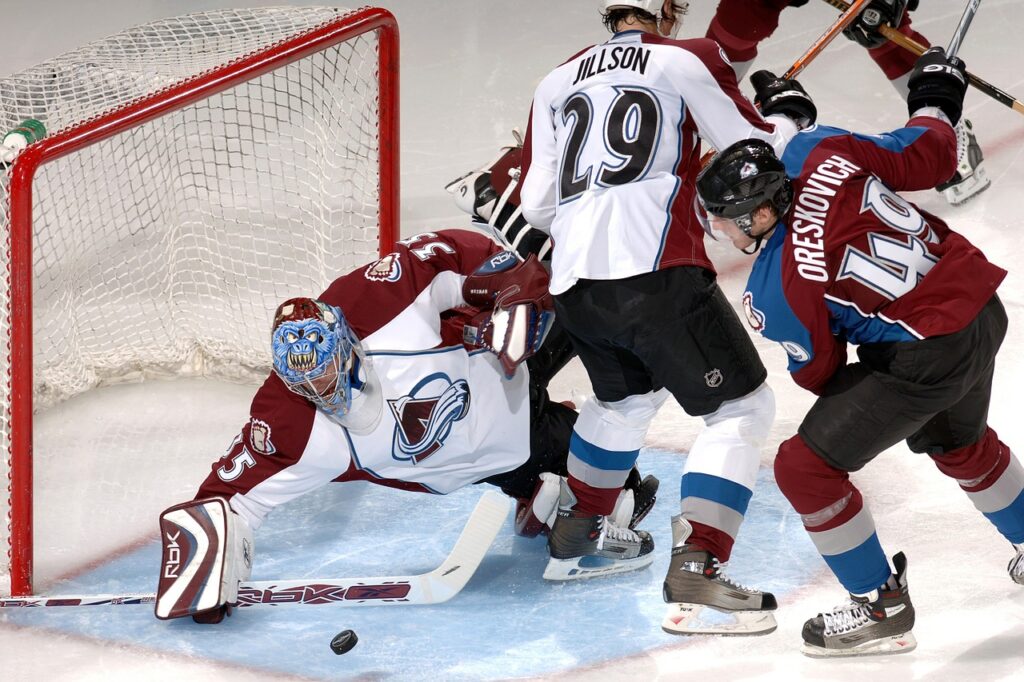
Hockey is one of the most popular sports in North America. It is certainly more popular in Canada than the Unites States, but with the talk of Seattle getting a professional hockey team, the sport has been gaining popularity here in the Pacific Northwest.
As the level of participation in hockey increases, so does the prevalence of injuries.
Preventing Hockey Injuries With Proper Training
Proper training and conditioning is always the best way to prevent any type of injury. Preparing the body to handle the various stresses of the sport will help increase the tissues’ ability to withstand load. This is done through a proper strength and conditioning program. In addition to the on-ice training, here are some things that a sport-specific training program for hockey should include:
- Interval training for metabolic conditioning
- Frontal plane drills to create glute strength and help control the knee during skating
- Slideboard training to mimic movements on ice
- Dynamic balance training with external reactive perturbations
- General strength and power drills (olympic lifting, power lifting, standard resitance training)
Creating a program that specifically addresses strength, power, balance, triplanar movement, and mimics the activities performed on the ice is key. A Doctor of Physical Therapy and/or a Certified Strength and Conditioning Specialist are two professionals to seek out when looking to develop a proper training program.
Although strengthening is critical to prevent injury, some injuries such as contact injuries are not as easily preventable. Given the nature of the sport, it’s no surprise that the majority of hockey injuries are caused by direct trauma, such as checking, falls, or getting hit with a stick, puck, or skate blade.
Classification of Hockey Injuries
Players in the National Hockey League officially only suffer two kinds of injuries — “upper body” and “lower body” — at least when it comes to reporting them. There’s a reason for this, of course. Keeping the exact nature of players’ injuries vague discourages opposing players from targeting specific areas of the body. This is an attempt by the league to keep players safer on the ice.
Naturally, “upper body” describes a whole host of potential injuries that players may suffer including acut finger, a concussion, a bruised rib, a broken clavicle, a chipped tooth or a separated shoulder. Although many hockey players consider their scars to be badges of honor, they also want to spend as much time on the ice as they can. That’s why it’s important for players to understand the most common types of upper body injuries and how they can prevent them. An upper body injury can happen to any player at any time, although defensemen are more likely to suffer them because of the amount of contact they experience over the course of a shift.
Prevention With Proper Gear
Knowing how to prevent the most common types of upper body injuries in hockey often comes down to a matter of preparation. In addition to a proper strength and conditioning program, it is also important to have gear that is fitted properly, including mouth guards to help prevent chipped teeth and concussions. Being sure that your shoulder pads fit your body properly is another important step to take, along with having protective padding on your abdomen and wrists. Of course, always wearing a helmet to protect your head is an absolute necessity with a fast-paced, hard-hitting game such as hockey.
When a player suffers an “upper body injury,” it could be something minor or something serious. No matter how serious it is, any type of injury can hurt a player’s ability to be effective on the ice and hurt the team’s chances of winning. Check out the accompanying guide below for more information about the treatment and prevention of various types of upper body injuries to ensure that you get as many minutes of ice time as possible.
Click arrows in the bottom right corner to expand full screen
authentic pro stock hockey equipment
The Next Step
If you are a hockey player looking to build a solid foundation of strength and minimize your risk of injury, please come visit us at PhysioStrength Physical Therapy. You will work one on one with a Doctor of Physical Therapy and Certified Strength and Conditioning Specialist to create an individualized program that will help improve your athletic performance and decrease your overall injury risk.